
Brayden Stivala
Contributing Writer
The case against seven members of Chi Phi at Cornell University, who allegedly drugged and gang-raped a sorority member, exemplifies students’ worries about the impact greek life has on young men, both at ESU and across higher education as a whole.
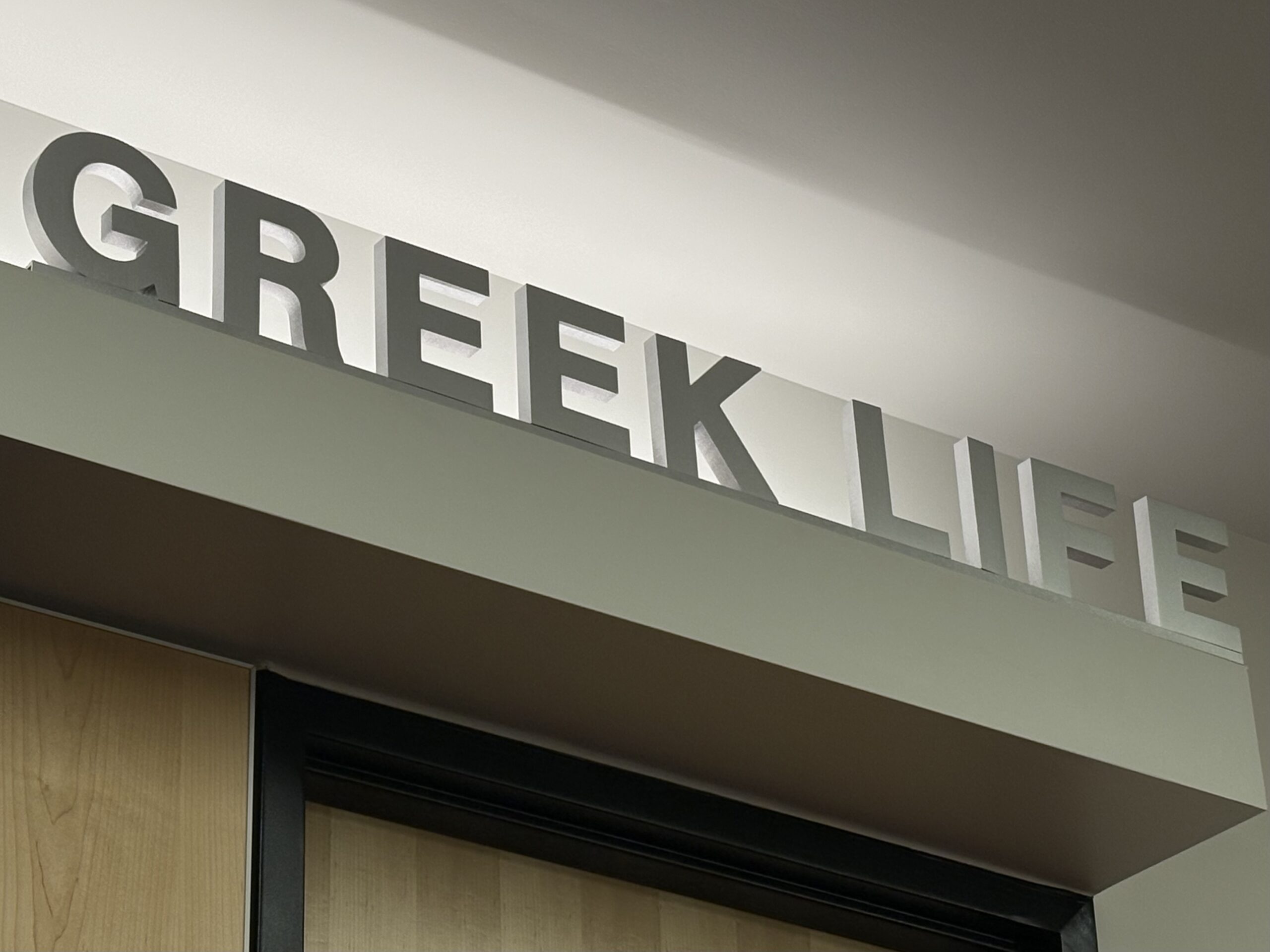
According to ESU’s webpage for student life, the university has 13 active chapters of Greek Life, eight of which are fraternities. These fraternities claim to promote values like brotherhood, community service, philanthropy and leadership, but there is skepticism by students regarding the validity of whether these values are upheld through action.
“All organizations are required to meet ESU, local, state, national rules/regulations, and laws regarding social events,” says ESU’s website in reference to parental concerns for students’ participation in Greek Life.
Despite ESU’s apparent adherence to regulations with the intent of maintaining a safe learning environment for students, the tendency of affiliate Greek Life organizations to engage in alcohol consumption remains understood by many students.
Some go as far as to say that further action should be taken at either university or government levels to promote safer behavior.
“I definitely feel like, not just this school, but other schools, a lot of the stuff like sexual harassment gets kind of pushed under the rug,” says Kuba Niewiarowski, ESU senior studying business. “I mean, they’re just frat bros. Like, you just wanna drink, hang out, you know? They don’t really want to be involved in anything else.”

While Niewiarowski agrees that there is a strong value for brotherhood within fraternities, he says it is the promotion of other values like philanthropy and community service that seem more disingenuous.
Kira Kuznetsov, a first year computer science major, also acknowledges that some qualities of fraternities seem deceptive in nature. She says that she is skeptical of some fraternities she has witnessed speaking out against Cornell University’s Chi Phi.
“I am worried that those who do that are being performative,” says Kuznetsov.
Even former fraternity members understand how some aspects of fraternity culture can promote toxic values.
“The ethical issue at hand is this heavy promotion of having sex,” says Daniel Sorrenti, senior accounting major and former member of ESU’s Kappa Delta Rho.
“I knew a guy of a different fraternity, and he was doing a presentation, and one of the bottom lines was, who gets the least amount of play? And they had, like, a list of the brothers and stuff, and it just seemed so ridiculous,” says Sorrenti.
While ESU cannot legally promote the delinquent behavior seemingly encouraged by some fraternities, there is a dominating consensus among students that, when it comes to the cultural influence of Greek Life on campus, the rules are bound to bend and break.