
Sean Craig
Contributing Writer
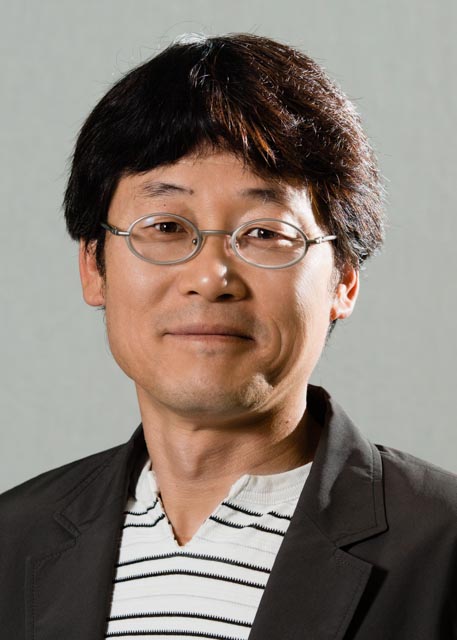
Students do not often stop to ask questions about themselves or reflect on the world around them. Dr. Heon Kim hopes to provoke these thoughts in his upcoming book.
ESU professor Kim is close to releasing a new book on his 20 years of teaching Asian religion and philosophy. According to Kim, the book should become available some time next year.
“I sincerely wish they think about themselves,” said Kim. His teachings often center around the idea of reflection and the question “Who am I?” Kim hopes that the one thing students take away from his new book is the idea to reflect on themselves more.
“My upcoming book is from them,” Kim said. “They helped me a lot, what to write and how to write,” Kim said, referring to his previous students, or classmates as he likes to call them, who contributed feedback to his teachings that appear in this book.
“Teaching Asian Philosophy in the United States of America” is the current working title of the book, but that is subject to future change as finishing the content of the book is where Kim is focusing currently.
Kim hopes to clear up many common misconceptions about Asian philosophical principles that American students or professors may have. With his collection of 20 years teaching the subject being the core material of the book, it should easily be able to enlighten readers on a multitude of subjects.

“They knew about Yin and Yang as if Yin is bad and Yang is good. That is huge misunderstanding,” Kim explains.
Yin and Yang is one of the many ideals that Kim clears misconceptions of with his teachings. He covers principles from Hinduism, Buddhism, Confucianism and many other Asian religions and philosophies.
Kim hopes to provide advice and insight to his peers as well. With this book he plans to share his work with other Asian philosophy teachers to not only help them learn more about their own subject, but also provide them with teaching techniques from an experienced professor.
The book will likely be implemented into many of his courses as the main textbook of the course. Kim has made an emphasis on his visual teaching style in the book so students may always refer back to his visuals for better understanding of the material.
This is not Kim’s first book. He has written and edited five other books over the course of his career on a multitude of subjects in the breadth of Asian philosophy and religion.
Kim ultimately left the audience with some advice for those who want to write and share their ideas as he did. He recommends writing drafts of ideas and sharing those ideas with others as a part of the process.
Kim spent three years writing this book. He shared his ideas with his students and peers, and it greatly helped him get to the point he is at now.