
Annabel Pyne
Student Life Editor
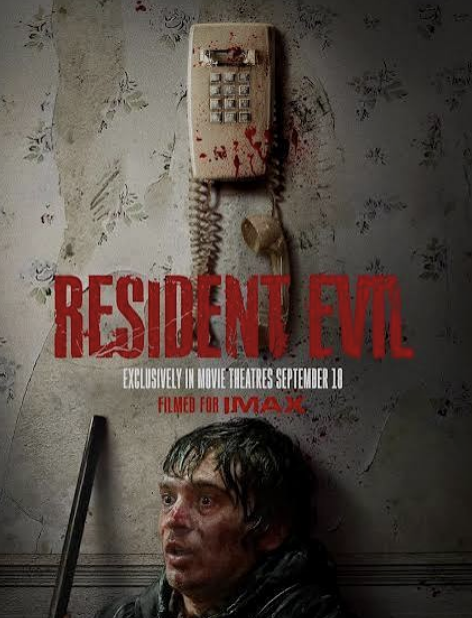
The “Resident Evil” (2026) film released Sept. 18. Although I may be a bit biased, it was one of my top five horror films made this year. It perfectly balances the source material without alienating audiences unfamiliar with the world.
Other than the little cues to the Resident Evil games such as the locks and the typewriter, the film felt as if it was designed to be a game. Between the levels and the weapon upgrades, I felt as if I was replaying several of the games at once.
This article will be riddled with spoilers, so I highly recommend that if you wish to go in blind before watching the movie then come back later.
Bryan, a medical courier, is employed to take a highly valuable package to Raccoon City. He treks through the snow and comes across a zombie that relentlessly follows him. Umbrella Corporation employees pick him up, die, and leave him to find the way to the lab with the cure. He arrives, infected, and succumbs to the infection ruining any chance to cure the infected.
As an avid, mediocre game player, I have never related to a character more in a film until this one. Bryan brings a refreshingly evident frustration and caution to the world around him that I cannot help but laugh at. He balances the line of competence and naivety that is so often missed, and he successfully represents what would be a real person navigating the rapidly changing world around him.
There is not enough praise to go around for the actor, Austin Abrams, who played Bryan. He carried the movie on his back as he spent most of this film alone.

The locations Bryan navigates were representative of some of the more iconic settings in the Resident Evil franchise. From the farmhouse, to the sewers, to the lab, I began to anticipate the next familiar space the movie would subject Bryan to.
The enemies were a unique aspect of the movie that were not represented in the games, but I liked how they were used. For both the little girl in the RV and Bryan in the last act, there seemed to be a disconnect between the consciousness of the victim and the actions of their physical body in later stages of the mutation. This added a uniquely horrifying aspect to those scenes as the characters were horrified by their actions as they desperately reached for help from someone who cannot fix them.
On a second, more critical rewatch, the way the final scenes were handled could have been cleaner. While I believe there is a world where Umbrella Corporation, the people who created the virus and are attempting an antidote, allows someone who could be infected into their lab, it is almost like the movie knows that keeping him there does not make sense.
As they try to create the cure, one of the characters asks on at least three occasions why Bryan is still there and to get him out and no one acknowledges it at all. I think that if you want to make Umbrella dumb, that works, but then addressing the hole in their thinking just draws the viewer’s attention to how little sense it makes to bring him in.
The film explores the comedy of a normal guy being stuck in a less-than-average situation. The theater filled with as much laughter as it did tension from the audience. The jump scares literally made my uncle jump out of his seat several times leaving. They left the audience unsure whether to expect horror, comedy, or a bit of both.
The “Resident Evil” (2026) was one of my favorite films to be released this year. It does not follow the elevated horror model that has been so prevalent in horror media recently, and it does not need it.
It was a fun horror film that gave homage to its source material while having its own identity. Despite the unpolished final act, I cannot give enough praise for this movie and I highly recommend it to anyone who likes horror or the “Resident Evil” franchise.