
Lili Kelly
Staff Writer
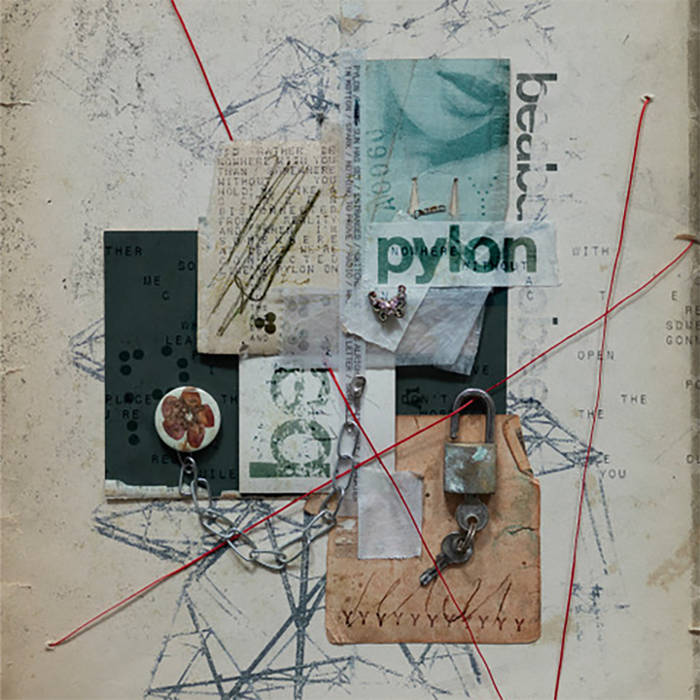
Beabadoobee’s fourth studio album “Pylon” was released September 18th, 2026, and is one of her most dynamic works yet. Her first studio album since “This Is How Tomorrow Moves” in 2024, “Pylon” conveys emotions that are so specific and yet still universal to so many.
Named after the massive high-voltage electricity pylons Laus had to see outside of her window nearly everyday while touring in 2024 and 2025, this title symbolizes a reminder of home. These pylons were more than just electricity for Laus — they were the current that brought her home, and that cut through the chaos of constantly being on the road!
The opening track “Pylon” begins with a gentle acoustic before progressing into a heavier electric sound. Setting the core theme of this album, this track explores how love and connection can stretch across vast distances.
Lines like, “I’d rather be nowhere with you / Than somewhere without you / Hold me like a screen / Disconnected from reality” give the listener a taste of navigating love and heartbreak in the age of the internet, while also diving into just how imperative technological connectivity is to this generation’s idea of what relationships should look like.
“Sun Has Set,” the second track of the album, dives into the indie rock sound we know and love Bea for. Navigating the resentment held from words never spoken, this track perfectly encapsulates the lingering resentment of ending a toxic relationship. We feel this in lines like “When I say ‘We’ll never be friends’ / I mean, we’ll never pretend / F*ck that, you can never run back to me now.”
The term “sun has set” acts as a metaphor for the finality of this virulent cycle ending, with the tracks 90’s grunge sound and rock notes further expressing the remnants of anger.

“Switchblade” centers on the never-endingness of growing pains and the incessant anger of never feeling like you’re really making strides in your 20’s. Laus does an incredible job at capturing the seething anger of simply never getting it right. With lines like “Growing up just means to f-ck everything up again” perfectly encapsulates taking steps forward, only to be pushed back.
Also mentioned is the courage it takes to know when to walk away rather than allow your anger to control your outcome when Laus sings “Do you start the fight or take the flight? / Is it wrong or right to try to do.” This internal conflict, met with the loop of always seeming to break the things you try to mend, are a few of the many struggles of growing into adulthood.
“Write Me A Letter” and “In Motion” grapple with both ends of the spectrum of separation: wanting to mend something while simultaneously recognizing that it may be for the better to end a relationship. This is a topic nearly everyone can resonate with. “Write Me A Letter” describes the feeling of wanting so badly to hold on to someone when Bea sings the lines “Don’t know what to do, the feelings seem so consequential” and “I know you know me more than I know myself.”
The conflict of knowing that something simply doesn’t feel right contrasts with the longing to fix what cannot be changed is evident throughout this entire track. “In Motion” reflects on finally letting go and moving forward under the weight that comes with this, lines like “Gotta get away from it / Gotta get away from here” give the listener a brief moment to breathe, before we feel the weight of the track yet again.
Laus featured two artists on “Pylon,” including Paramore’s Hayley Williams and Turnstile’s Brendan Yates.
“Nothing To Prove” with Williams channels the raw anger of a breakup and takes us back to Bea’s rebellious style. The track delves into letting go of the need for outside validation, people-pleasing and self-acceptance. Lines like “I make it, you waste it, I own it, I know it” and “But I’m done / With what’s unsaid” express Bea’s need to stop allowing what critics, industry pressures, and past relationships think of her to influence the journey that she is currently on, and the way in which she views herself. Williams’ background harmony and vocals only add to the angst and freedom defined in this track.
“Powerlines” with Yates captures the feelings of isolation and homesickness while touring on the road, and the longing of missing someone alongside these feelings. Laus sings “Despite it all, I only want the best for you,” reflecting the emotional growth that love and care does not end simply because a relationship does. Yates brings a raw vocal style that transcends into a melodic and soft duet as the track progresses.
“Powerlines” perfectly contrasts the quiet moments of reflection and the chaotic moments of touring.
“Satellite” closes the album, describing the weight of distance and yearning for a past partner, touching on the isolation of modern fame and the anxieties of coping with modern life. The track is a metaphor for circling someone you care about, always staying in their gravitational pull and hoping to be pulled back to them. Bea sings “I’m split in two, sing to the moon, orbiting you / Like a satellite,” encapsulating the feeling of always being near and available to someone, supporting them from afar.
Further, the lines “Everyday, doom-scrolling like I’ve lost all control, oh, yeah / I’d give the generation a new infatuation” captures the hold that social media and technology has on our generation, and how it can merely be a distraction while the world spins around you.
Overall, the imagery Laus uses throughout the album reflects that love, longing and connection can reach across vast distances. This album perfectly encapsulates the feelings of isolation, anger, love, and angst that come with being in your 20’s.
From mellow, slow tunes, to the rebellious indie Bea she’s so known for, “Pylon” thrives in the feelings of femininity, power, angst, and sass.